


With International Museum Day on May 18 and China Tourism Day on May 19 just around the corner, museums are once again in the spotlight as cultural and travel destinations. In Guangdong, many museums are drawing visitors not only with their exhibitions, but also with striking architecture, immersive experiences and distinctive cultural appeal.
Recently, Xuelei Fragrance Museum and Shenzhen Science and Technology Museum were named to the 2026 list of the "World's Most Beautiful Museums" released by Prix Versailles. Here is a look at these two museums, along with other visually stunning cultural spaces across Guangdong.
Xuelei Fragrance Museum, Guangzhou (雪蕾香氛博物馆)
Recognized by Guinness World Records in 2025 as the world's largest fragrance museum, this museum features a red-brick cylindrical exterior inspired by perfume distillation equipment. Instead of offering a traditional "look-only" visit, the museum turns the experience into a sensory journey through scent.


(Photo: Nanfang Daily)
Inside the 9,500-square-meter space are 18 themed exhibition zones, more than 50 interactive installations and over 300 scent-sniffing points. Visitors can trace the evolution of fragrance culture from ancient Egyptian rituals and Eastern incense traditions to modern perfumery. Interactive sections connect scent with sound, color, touch and emotion, while AI-powered fragrance systems allow visitors to generate a personalized "scent DNA" profile and create their own custom perfume.


(Photo: Nanfang Daily)
Opening hours: 10:00–19:00 (weekdays, last entry at 18:30); 10:00–20:00 (weekends and holidays, last entry at 19:30)
Ticket: 128 yuan
Address: No. 1 Ketai 2nd Road, Baiyun District, Guangzhou (广州市白云区科泰二路1号)
Related news: World's largest fragrance museum redefines perfume
Shenzhen Science and Technology Museum (深圳科学技术馆)
Nicknamed the "giant spaceship" by locals for its futuristic streamlined design, Shenzhen Science and Technology Museum is the world's first science museum themed around "digital civilization". Composed of more than 90,000 stainless steel panels, the facade takes on ever-changing looks under different weather and lighting conditions throughout the day.


(Photo: Nanfang Daily)
The museum houses 24 exhibition zones and around 950 exhibits covering AI, astronomy, biotechnology, deep-sea exploration, communications and low-carbon technology. Visitors can play table tennis with robots, operate robotic arms, try simulated driving experiences and explore interactive digital installations.


(Photo: Nanfang Daily)
Opening hours: 10:00–17:00 (weekdays); 9:30–18:00 (weekends and holidays)
Ticket: 50 yuan
Address: No. 8 Guanghui Avenue, Guangming District, Shenzhen (深圳市光明区光辉大道8号)
Guangdong Folk Arts Museum (广东民间工艺博物馆)
The Guangdong Folk Arts Museum is located inside the Chen Clan Ancestral Hall (陈家祠), the largest and best-preserved traditional Lingnan ancestral hall in the province. Built with elaborate wood, brick and stone carvings, ceramic sculptures and painted decorations, it is often called "the pearl of Lingnan architectural art".

(Photo: Guangdong Folk Arts Museum)
The museum houses more than 20,000 artifacts, including nearly 3,000 national-level treasures. Visitors can gain a glimpse of Guangdong's craftsmanship, including traditional carving arts, Guangdong embroidery, jade sculptures, Kwon-glazed porcelains, Shiwan pottery from Foshan and traditional Guangzhou furniture.


(Photo: Guangdong Folk Arts Museum)
Opening hours: 9:00–17:30 (last entry at 17:00); closed on Mondays
Ticket: 10 yuan
Address: No. 34 Enlong Li, Zhongshan 7th Road, Liwan District, Guangzhou (广州市荔湾区中山七路恩龙里34号)
Guangzhou Museum of Art (广州艺术博物院/广州美术馆)
Designed around the theme "Blooming Kapok in Water", this museum uses photovoltaic technology on all five facades. Sunlight pours through the central dome at noon, illuminating the grand piano in the atrium. Visitors might even catch an impromptu live performance.


(Photo: Guangzhou Museum of Art)
The museum's collection includes more than 33,000 works spanning traditional Chinese painting, oil painting, calligraphy, sculpture, printmaking and decorative arts, forming a broad overview of Chinese art history from the Northern Song Dynasty onward. Special exhibitions on Dunhuang grotto culture and "Art in Kung Fu" by the Central Academy of Fine Arts are also currently on display.


(Photo: Guangzhou Museum of Art)
Opening hours: 9:00–17:00 (last entry at 16:30), Tuesday to Sunday; closed on Mondays except public holidays
Admission: Free (special exhibitions may require tickets)
Address: No. 198 Yiyuan Road, Haizhu District, Guangzhou (广州市海珠区艺苑路198号)
Southern Han Mausoleums Museum (南汉二陵博物馆)
Located in the Guangzhou Higher Education Mega Center, this museum is built above the tomb sites of two emperors of the Southern Han Kingdom (917–971) during the Five Dynasties and Ten Kingdoms period. Its architecture blends black, gray and brick-red tones with traditional Chinese courtyard layouts inspired by Han and Tang styles.


(Photo: Guangzhou Panyu Fabu)
The museum houses thousands of artifacts, including ceramics, bronze objects, glassware and gold ornaments unearthed from the tombs. Its galleries offer visitors a vivid glimpse into the history and culture of Lingnan during the Southern Han era.


(Photo: GZphotos)
Opening hours: 9:00–17:30 (last entry at 17:00), closed on Mondays except public holidays
Admission: Free
Address: No. 8 Huashi 1st Road, Guangzhou Higher Education Mega Center, Panyu District, Guangzhou (广州市番禺区广州大学城华师一路8号)
Zumiao Museum (佛山祖庙博物馆)
Built during the Yuanfeng reign (1078–1085) of the Northern Song Dynasty, Zumiao, or Ancestral Temple, is one of Foshan's most iconic historical sites. It is adorned with delicate wood, brick and stone carvings, alongside lifelike ceramic and gray-plaster sculptures embellishing its roofs, beams and walls.
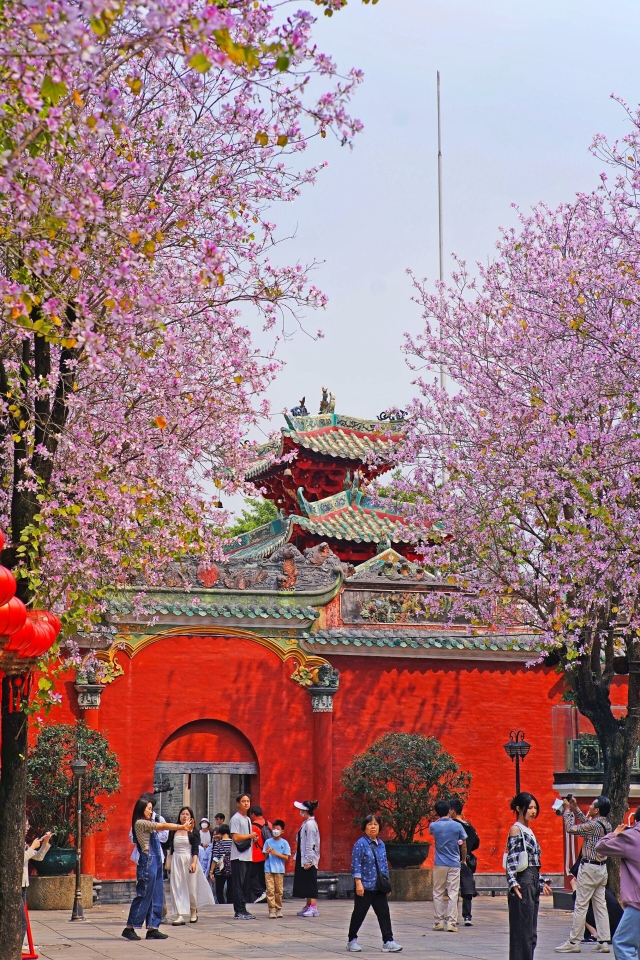
(Photo: Nanfang Daily)
The museum also showcases Foshan's folk traditions and martial arts culture through exhibitions at Huang Feihong Memorial Hall and Ip Man Hall. Visitors can enjoy regular Cantonese opera and lion dance performances, experiencing the city's deep-rooted cultural heritage.


(Photo: Zumiao Museum)
Opening hours: 8:30–18:00 (closed on Mondays)
Ticket: 20 yuan
Address: No. 21 Zumiao Road, Chancheng District, Foshan (佛山市禅城区祖庙路21号)
Maritime Silk Road Museum of Guangdong (广东海上丝绸之路博物馆)
Also known as the Nanhai I Museum, this is China's first museum dedicated to underwater archaeology. Located by the sea on Hailing Island, the museum features flowing rooflines and layered structures that resemble rolling waves, blending naturally with the surrounding coastline and mountains.

(Photo: Guangdong Yangjiang Fabu)
The museum focuses on the excavation and preservation of the Southern Song Dynasty shipwreck "Nanhai I", one of China's best-preserved ancient merchant ships. Visitors can walk through exhibitions showcasing ceramics, lacquerware, coins and metal artifacts recovered from the shipwreck, offering a close look at the prosperity of ancient maritime trade. More than 180,000 relics have been recovered from the vessel, including over 170,000 pieces of ceramics from many of China's major export porcelain kilns.


(Photo: Maritime Silk Road Museum of Guangdong)
Opening hours: 9:00–17:30 (ticket sales stop at 17:00; closed on Chinese New Year's Eve)
Ticket: 70 yuan
Address: Nanhai No.1 Avenue West, Jiangcheng District, Yangjiang (阳江市江城区南海一号大道西)
Author | Huang Xinying
Poster | Lai Meiya


