



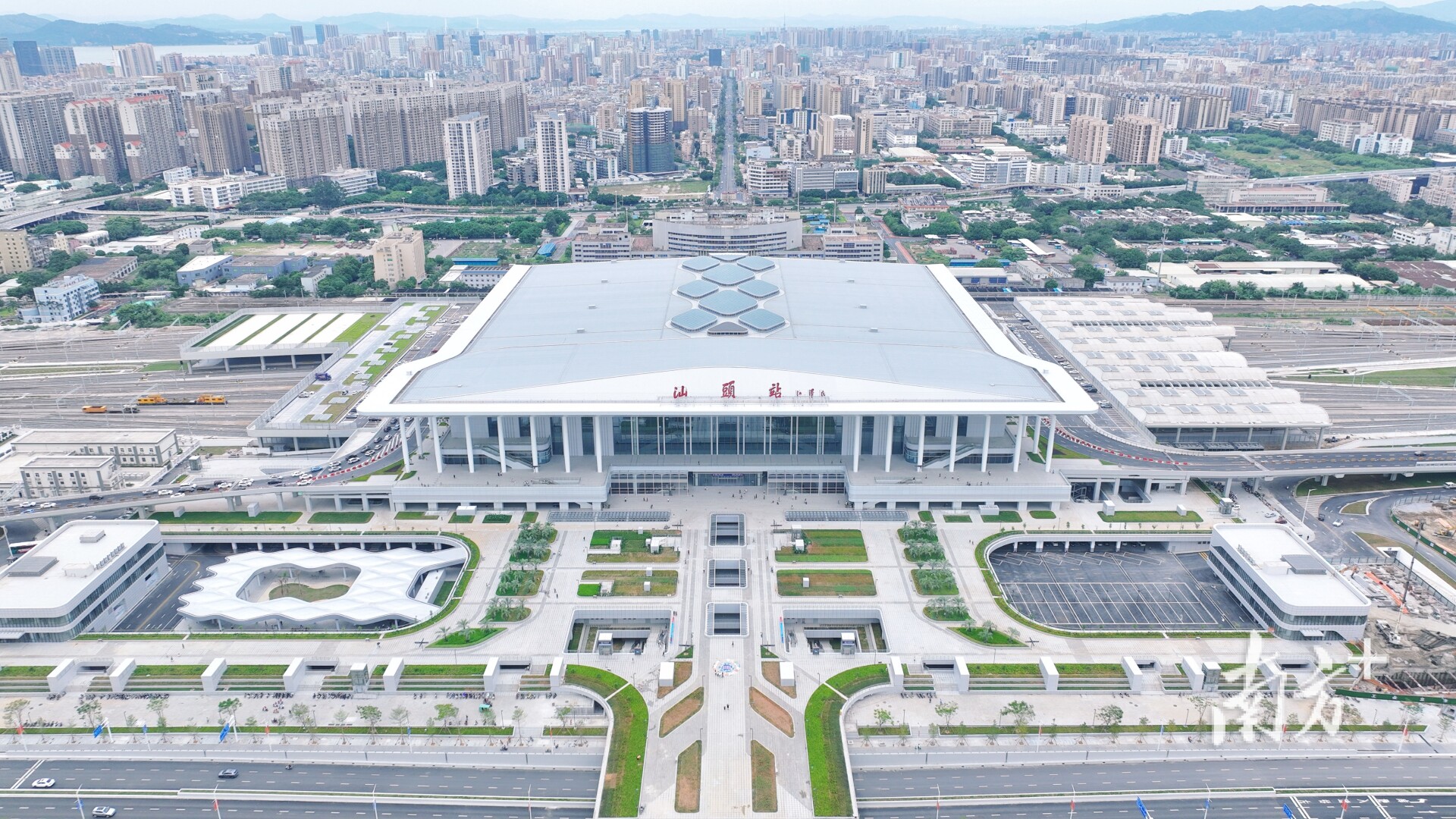
The Shantou to Shantou South section of the Shantou-Shanwei High-Speed Railway commenced a crucial trial operation phase on December 11. The trial, which involves running trains according to the formal timetable, marks a significant step towards the line's full operational readiness.
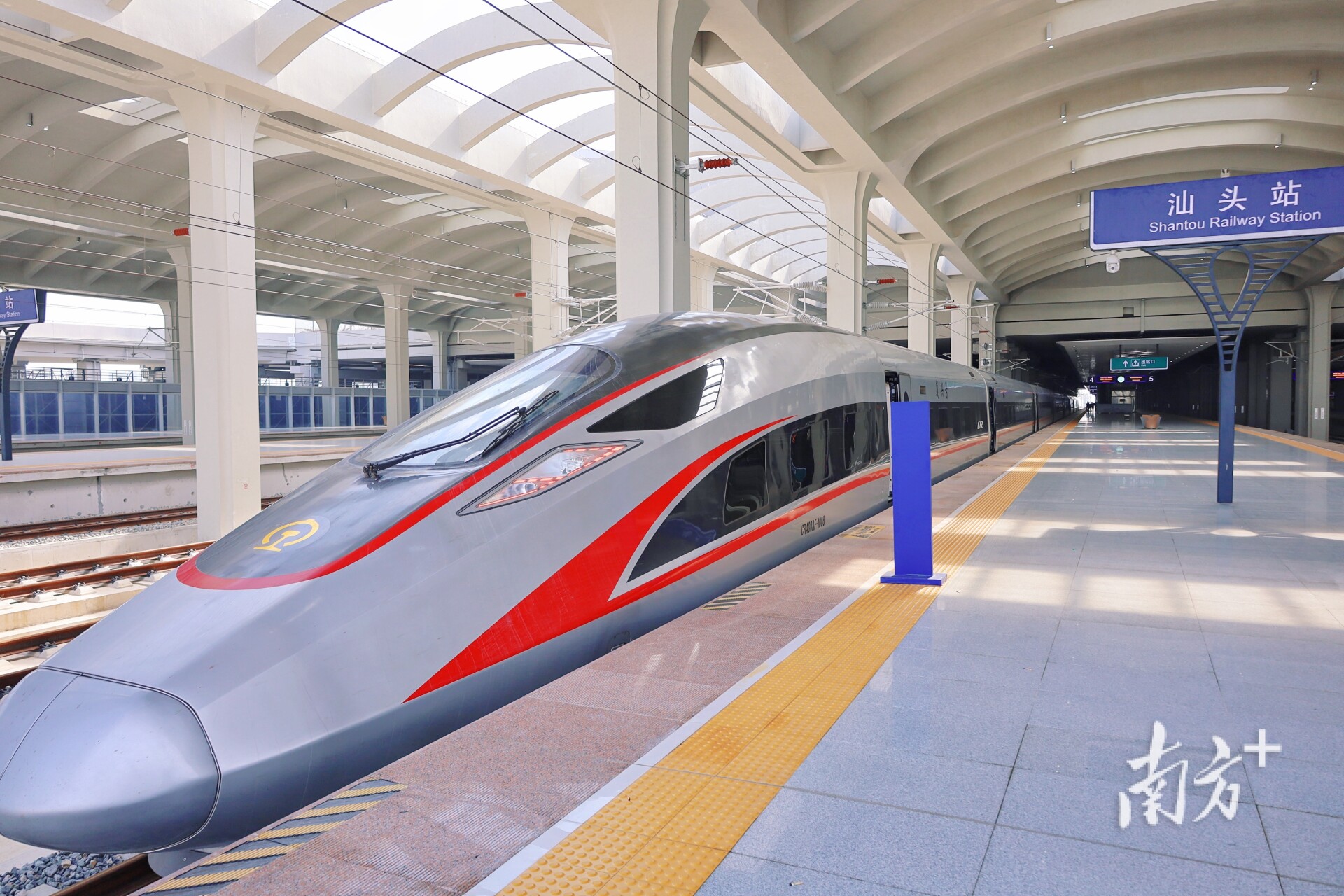
A Fuxing bullet test train, G8483, departed from Shantou Station, heading towards Shantou South Station. This key segment serves as a vital part of the coastal Yongzhou-Guangzhou corridor.
The entire Shantou-Shanwei High-Speed Railway spans 162 kilometers, connecting the cities of Shantou, Jieyang, and Shanwei with seven stations. The section from Shantou South to Shanwei began operations on December 26, 2025. The current trial focuses on the remaining 19.8-kilometer link between Shantou and Shantou South stations.
A major engineering feat of this segment is the Shantou Bay Tunnel. Stretching 9,781 meters, it is China's first single-tube, double-track high-speed rail tunnel designed for speeds of 350 km/h to be constructed under the sea. Builders overcame significant technical challenges, navigating 17 geological fault zones on a continuous steep gradient with a maximum slope of 29‰.
Since dynamic testing and joint debugging began in October, comprehensive trials have been successfully completed. These included train speed grading tests, signal system assessments, and seismic evaluations. All related systems at Shantou and Shantou South stations, such as passenger services, disaster prevention, and video monitoring, are now ready for the trial operation phase.
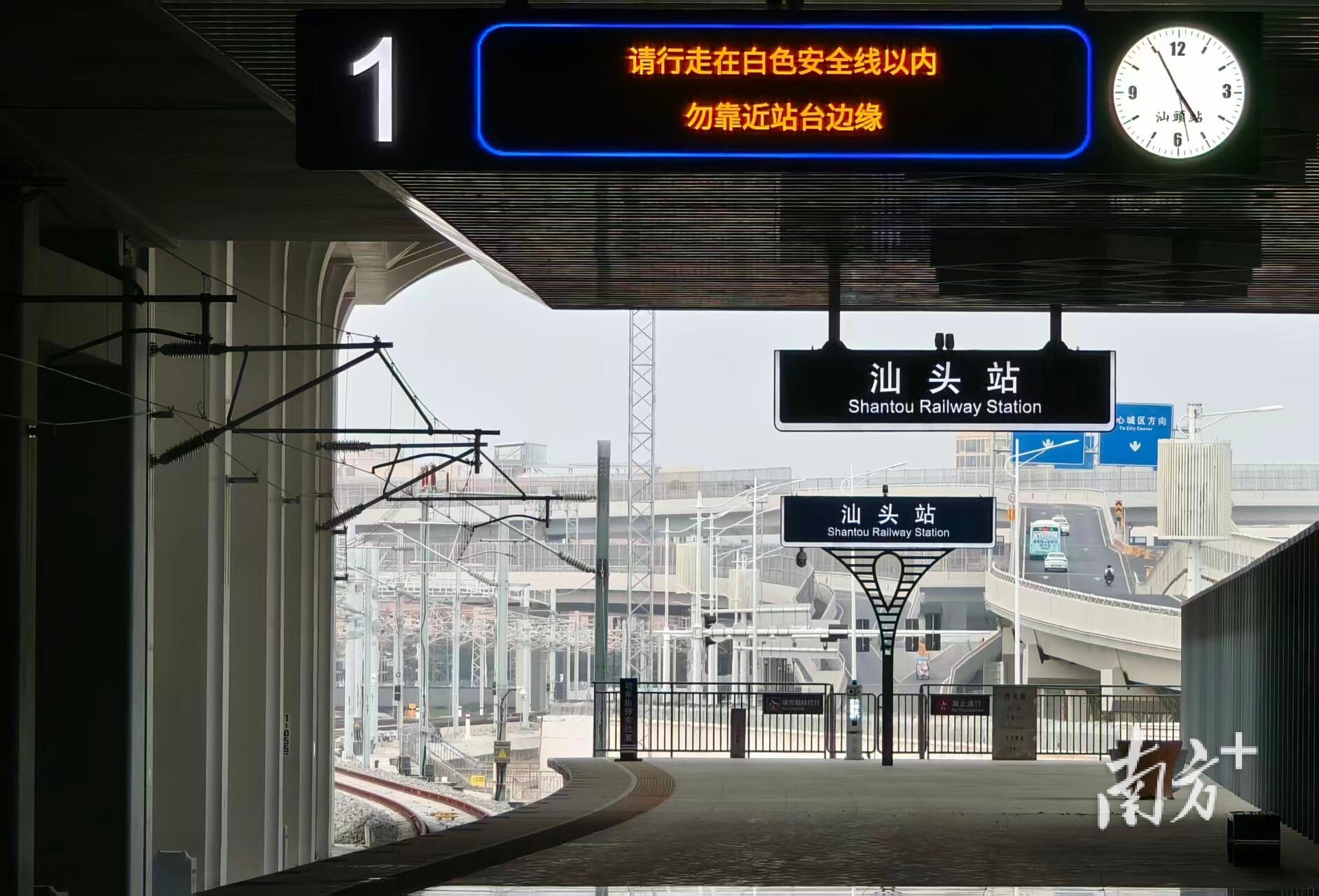
The current phase will simulate real operational conditions, testing timetable parameters, conducting emergency drills, and evaluating overall system performance under simulated daily service. This final "dress rehearsal" is essential for gathering data to ensure a safe and efficient launch for passengers.
The full opening of the Shantou to Shantou South section will complete this crucial transportation artery, significantly enhancing connectivity and fostering regional integration between the Guangdong-Hong Kong-Macao Greater Bay Area and eastern Guangdong.
Author | Jiang Chang
Photo | Nanfang Plus
Editor | Wei Shen, James Campion, Shen He