


China boasts a wealth of ethnic villages where tradition meets tourism, and two standout destinations invite travelers to explore diverse cultures.
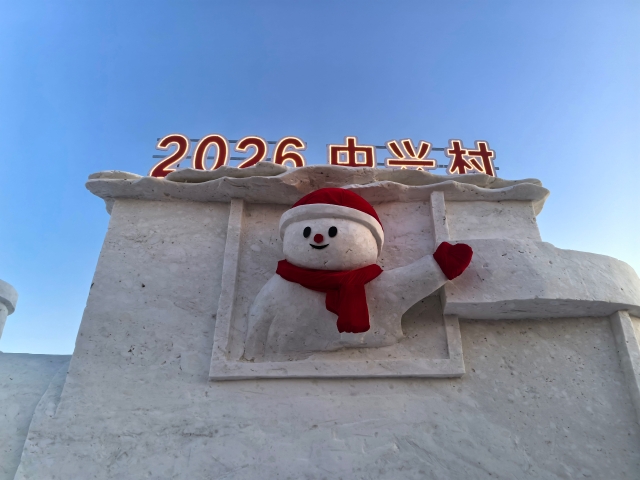
(Photo: South)
Zhongxing Village (中兴村) is located a little more than 10 kilometers from Mudanjiang City, Heilongjiang Province, and the majority of its population belongs to the Korean ethnic group.
Though it would be difficult to imagine today, Zhongxing was once locally referred to as a "hollow village," as 90 percent of its residents would leave to work in cities or abroad, mostly in companies with South Korean investment or in South Korea.

People visit Zhongxing Village. (Photo: South)
The village has improved its environment and upgraded its facilities to attract tourists, developing a tourism industry through village-company cooperation, collective management, and market-based operations. It is now a popular destination for short stays and hosts an average of 1.5 million visitors a year.
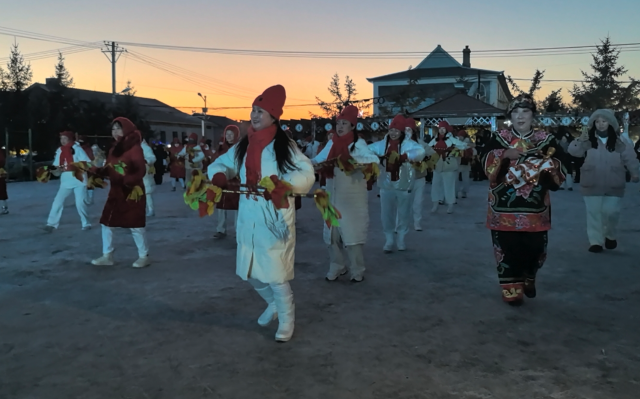
Villagers perform Yangge Dance at the square.

The village stages a fireworks show for visitors. (Photo: South)
This year, Zhongxing Village launches an ice-snow carnival featuring recreation, folk culture, and exhibitions. It offers over 20 attractions (snow football, straw snowman maze, internet-famous slide, etc.), preserves nostalgic ice games, and adds diverse events like ethnic costume photo ops and hot spring festivals. The village committee also installs ethnic-style lights to illuminate night scenes.
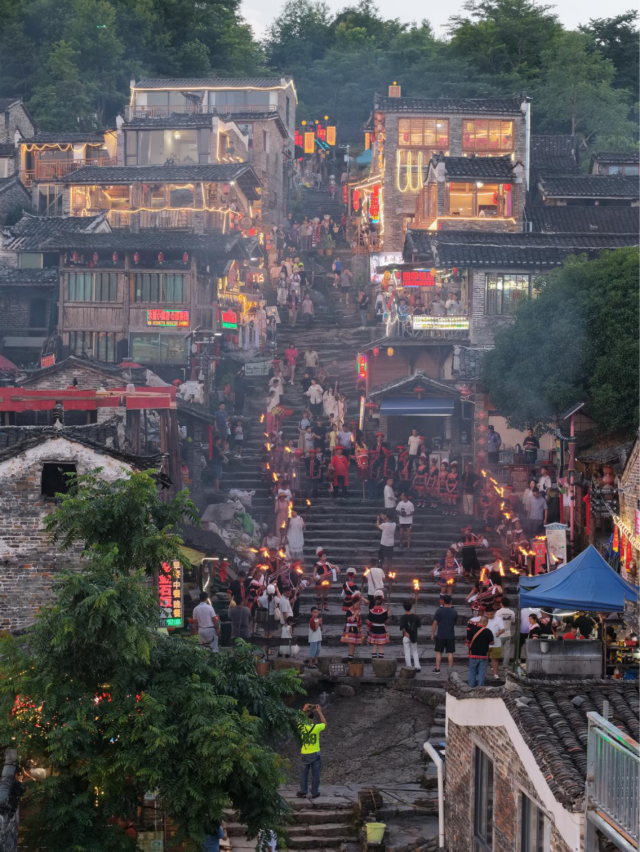
The Nangang Yao Village in Qingyuan City, south China's Guangdong Province, was built in the Song Dynasty (960-1279) and has a history of over 1,000 years. Therefore, it is also called the Thousand-Year-Old Yao Village (千年瑶寨).
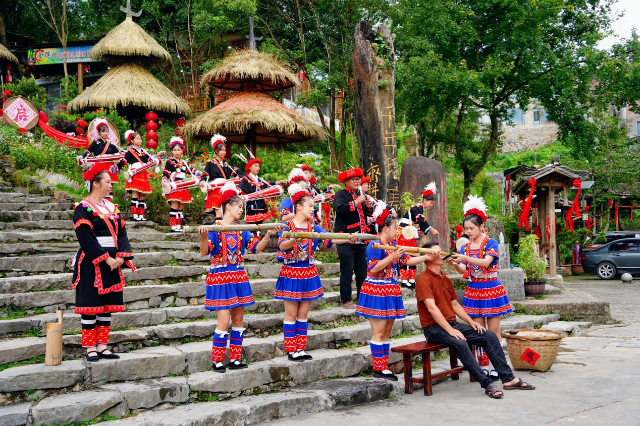
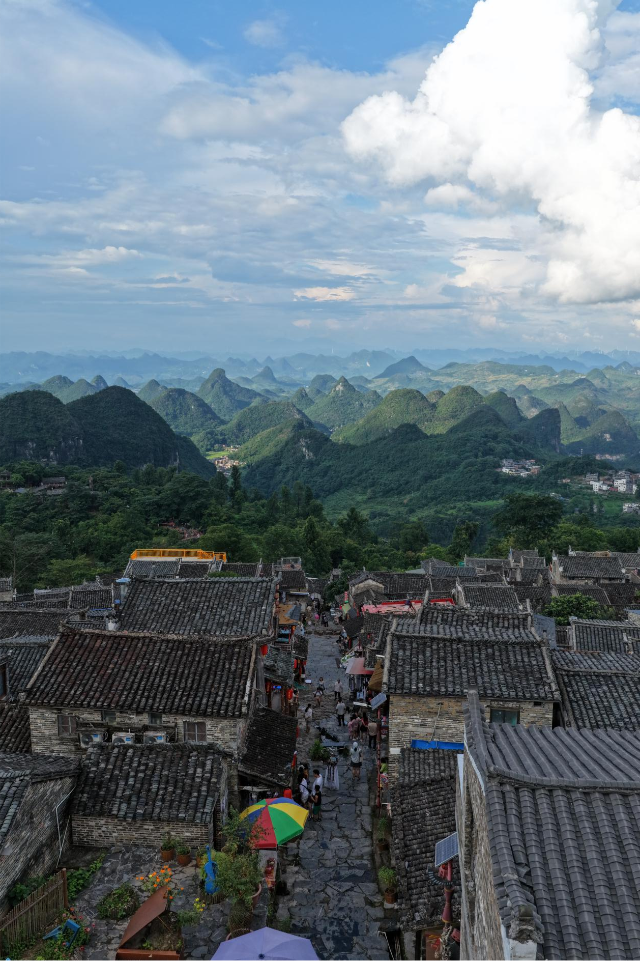
Today, 398 ancient buildings constructed in the Ming and Qing dynasties are still preserved in the village. The village is thus known as the largest and oldest Yao village in China and even in the world. The ancestors of the Yao people who resided in the village came to this place hidden in the mountains to escape wars. The villagers still celebrate traditional Yao festivals to pass down their culture.
Author | Liu Lingzhi
Editor | James Campion, Shen He