


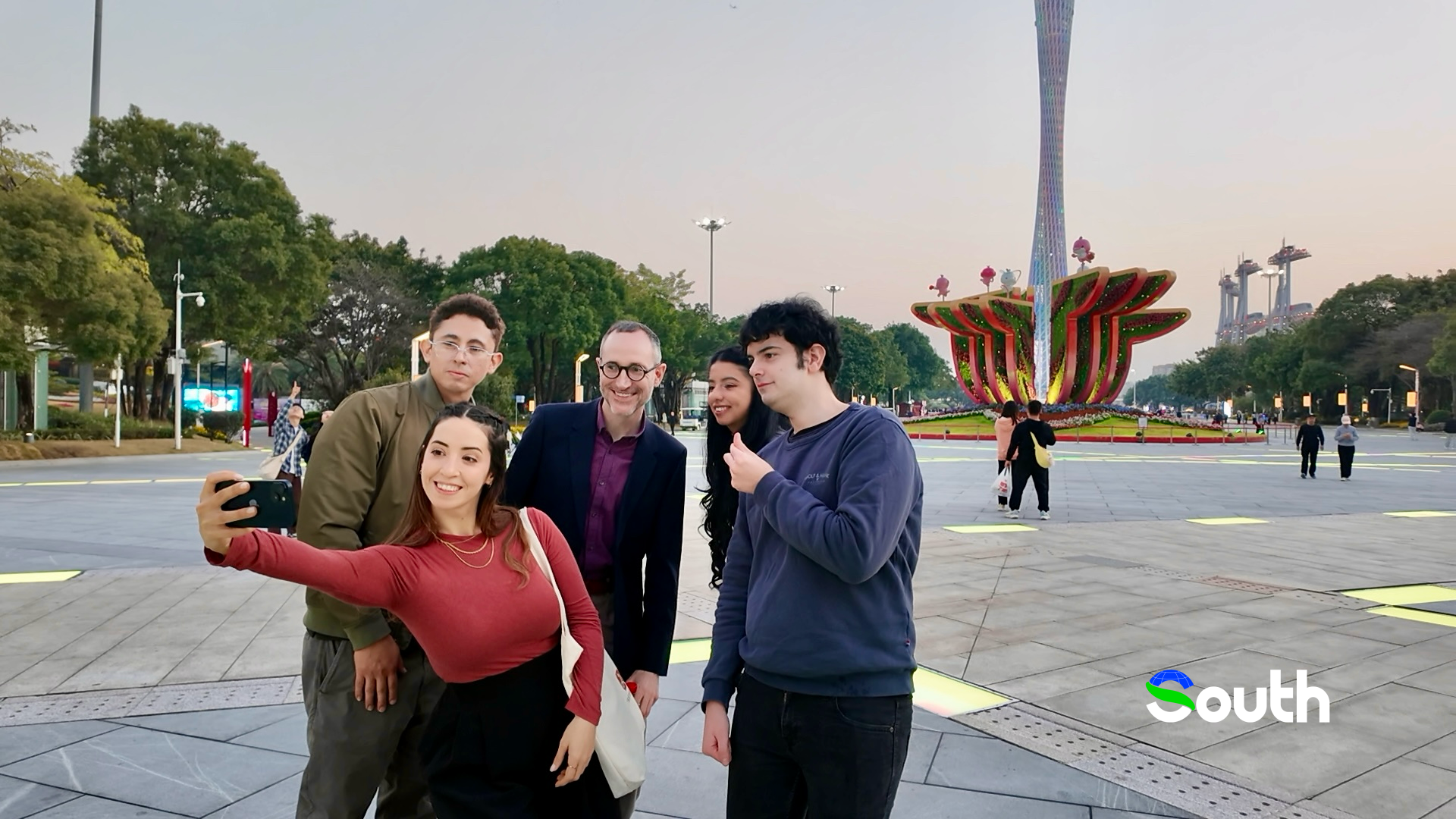
On January 13, a delegation of young literary and translation practitioners from Latin America visited various sites in Guangzhou, as part of a China-Latin America youth literary exchange activity.
A heart-warming gift: a poetry book
The connection between the two sides was instantly formed. María Victoria Cañibano Bianchetti, a young Argentine translator, found herself receiving a gift during the visit to the office of the literary magazine Literature Works.
"This is a book written by Miss Zheng. She gave it to me!" María exclaimed, holding a volume of poetry as a treasured gift. "She also signed it!"
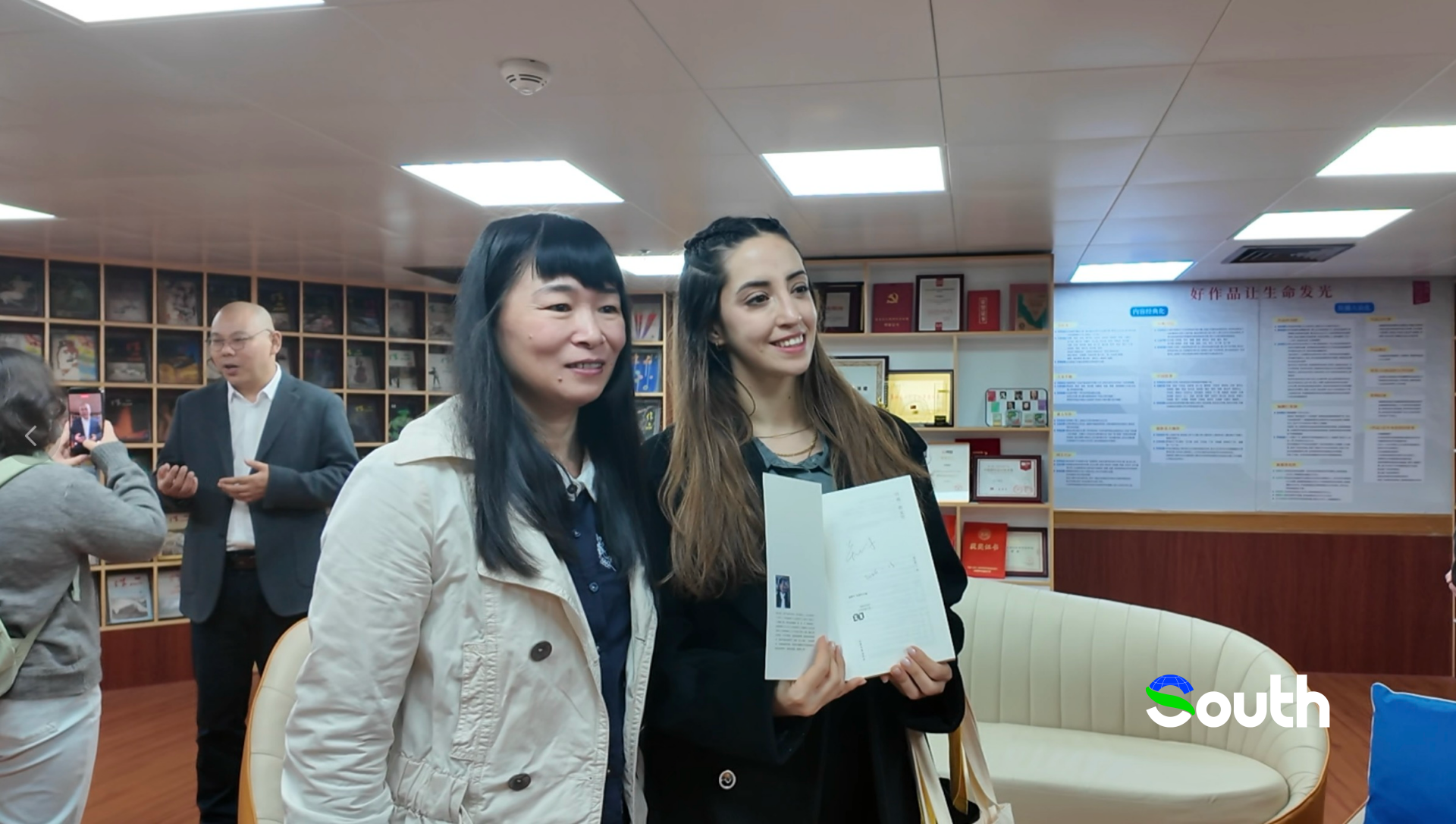
The author, Zheng Xiaoqiong, Deputy Editor-in-Chief of Literature Works, was equally touched by the encounter. "I feel very honored," Zheng reflected. "This book and María also share a kind of destiny."
She saw this meeting as just a beginning, stating, "I hope, starting from this poetry book, this is the starting point of our future interactions, which is without an end."
A broader resonance: magic realism and a shared soul
This individual connection mirrors a much larger and decades-long literary affinity between China and Latin America.
Wang Shiyue, Vice Chair of the Guangdong Writers Association and Editor-in-Chief of Literature Works, articulated this profound resonance.
"One of the foreign literatures that best aligns with Chinese literature is actually magic realism (from Latin America)," he observed. "Because magic realism seems to be inherently something that Chinese people understand."
He explained this deep-seated connection by pointing to iconic authors. "When we read Márquez, Juan Rulfo, Cabrand era Infante, we feel there is no barrier at all. We can easily understand the world portrayed in their literary works."
This sentiment echoes the historical impact of the "Latin American literary boom," which provided rich inspiration for generations of Chinese writers.
The setting for exchange: from libraries to living rooms
María's exploration of Guangzhou's literary landscape revealed a city actively fostering such international dialogue—the visit to the Guangzhou Library held a delightful surprise for her.
"We (María and a representative from the Guangzhou Library) were talking about Borges... Actually, I was amazed that they even have his books here," she shared. "For me, it was kind of moving."
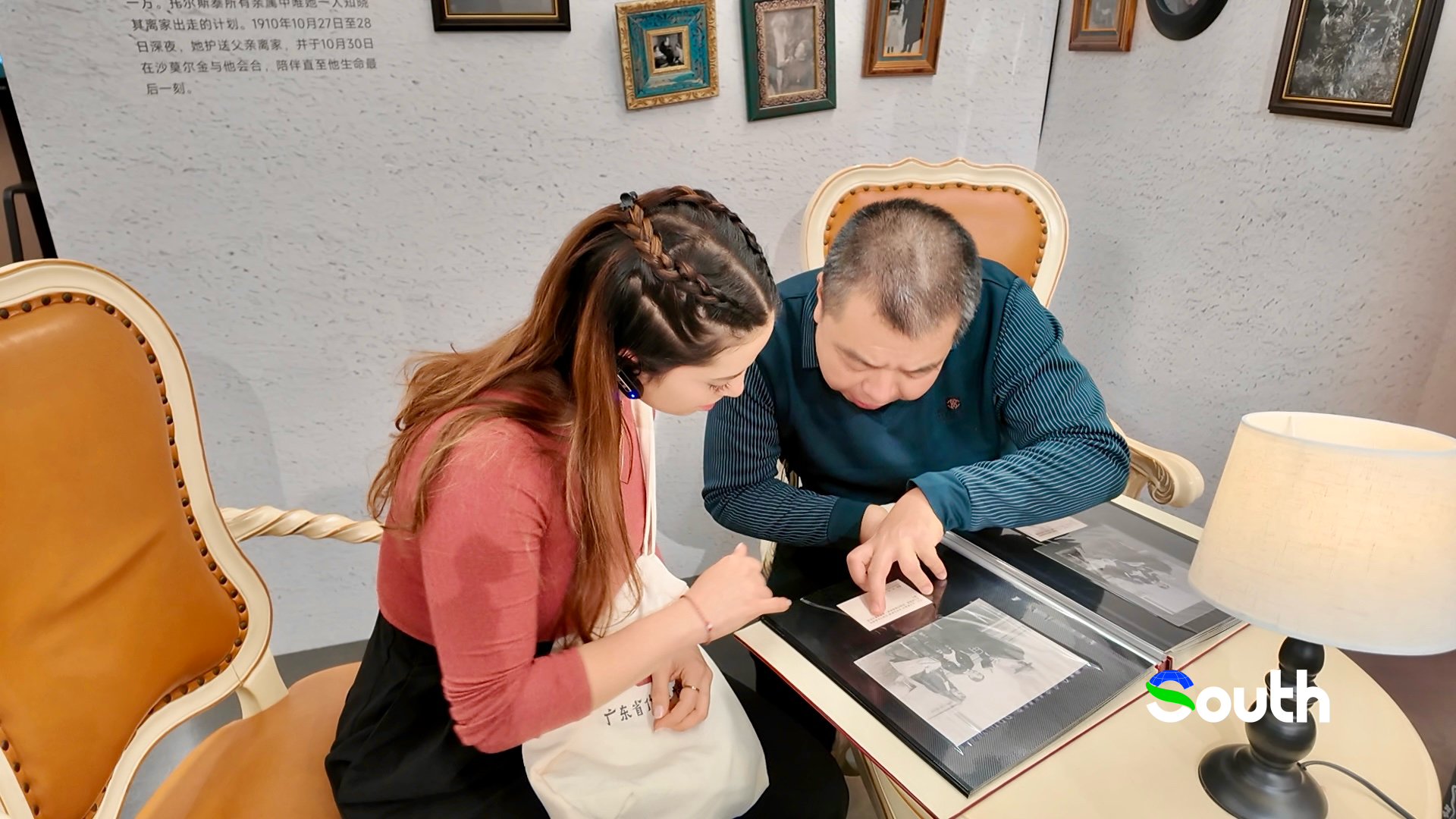
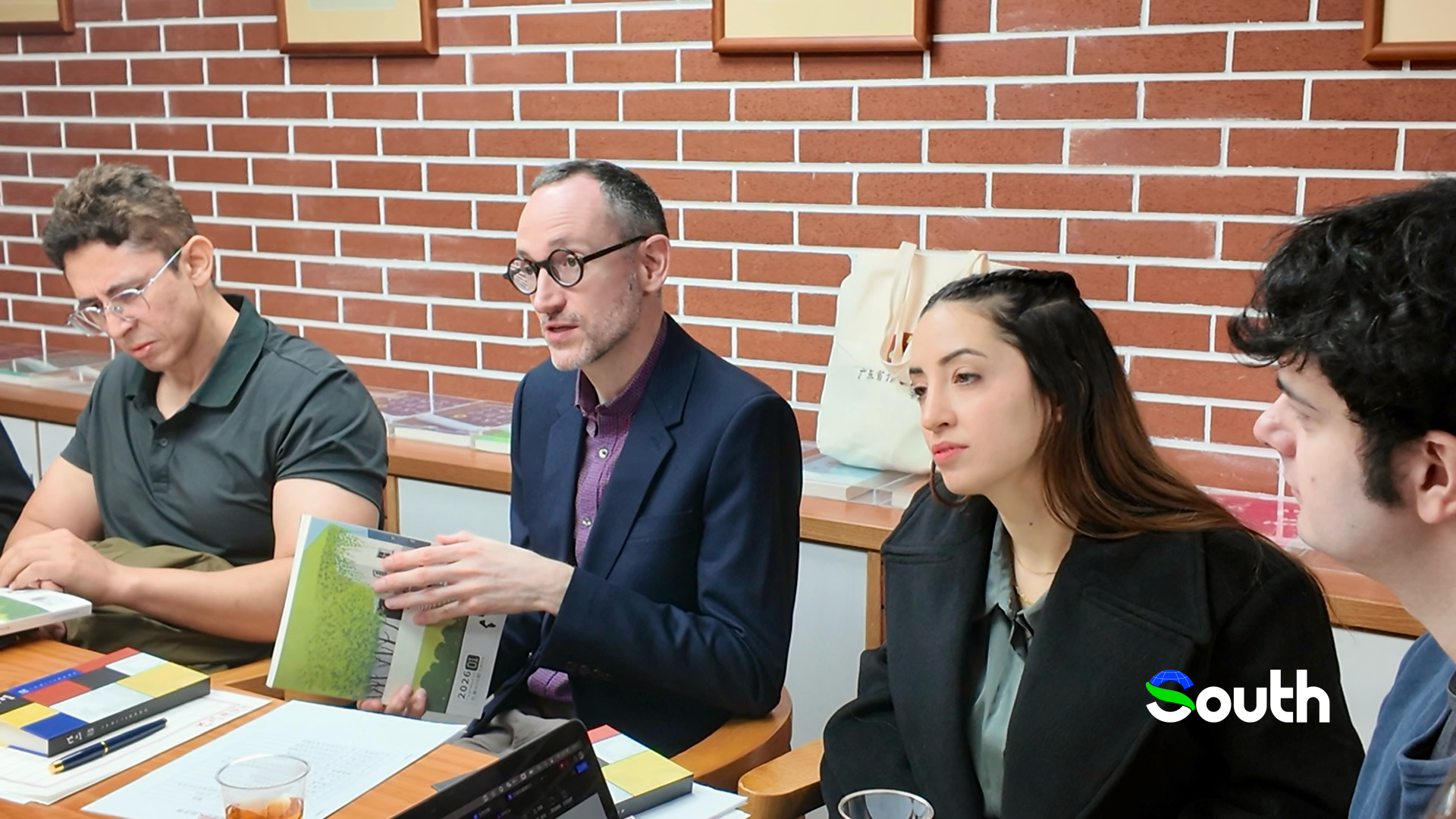
The heart-warming literary exchange also happened around the small table at the Literature Works magazine office.
"The table was kind of small, so we were all really close," María recalled warmly. "The chat that we had was really warm."
A bond formed by similar tea drinking habits
Beyond books, the visit uncovered a charming, everyday cultural parallel. While experiencing local customs, María discovered a striking similarity. "The tea culture of Guangdong is really similar to ours," she noted, identifying the connection between Guangdong's tea and Argentina's national drink, mate tea.
This is more than a personal observation; the popularity of mate has been growing in Chinese cities like Guangzhou, where specialty shops and its inclusion in trendy drink menus have introduced its unique flavor to more Chinese consumers.
In a world often defined by difference, the China-Latin American exchange story from Guangzhou reaffirms the unique power of literature and people-to-people ties to build enduring bridges, proving that even across the greatest of geographical distances, some dialogues are only just beginning.
Reporter | Guo Chuhua
Photo | Guo Chuhua
Editor | Hu Nan, James Campion, Shen He