



Each January, villages in Xingning, Meizhou City, Guangdong, celebrate the centuries-old Shang Deng (上灯), or “Lantern Raising” ceremony. This Hakka community tradition, recognized as part of the province’s intangible cultural heritage, honors the birth of babies and strengthens family and cultural ties. Rooted in the Northern Song Dynasty, the custom remains vibrant today, adapting to modern times while preserving its core meaning.
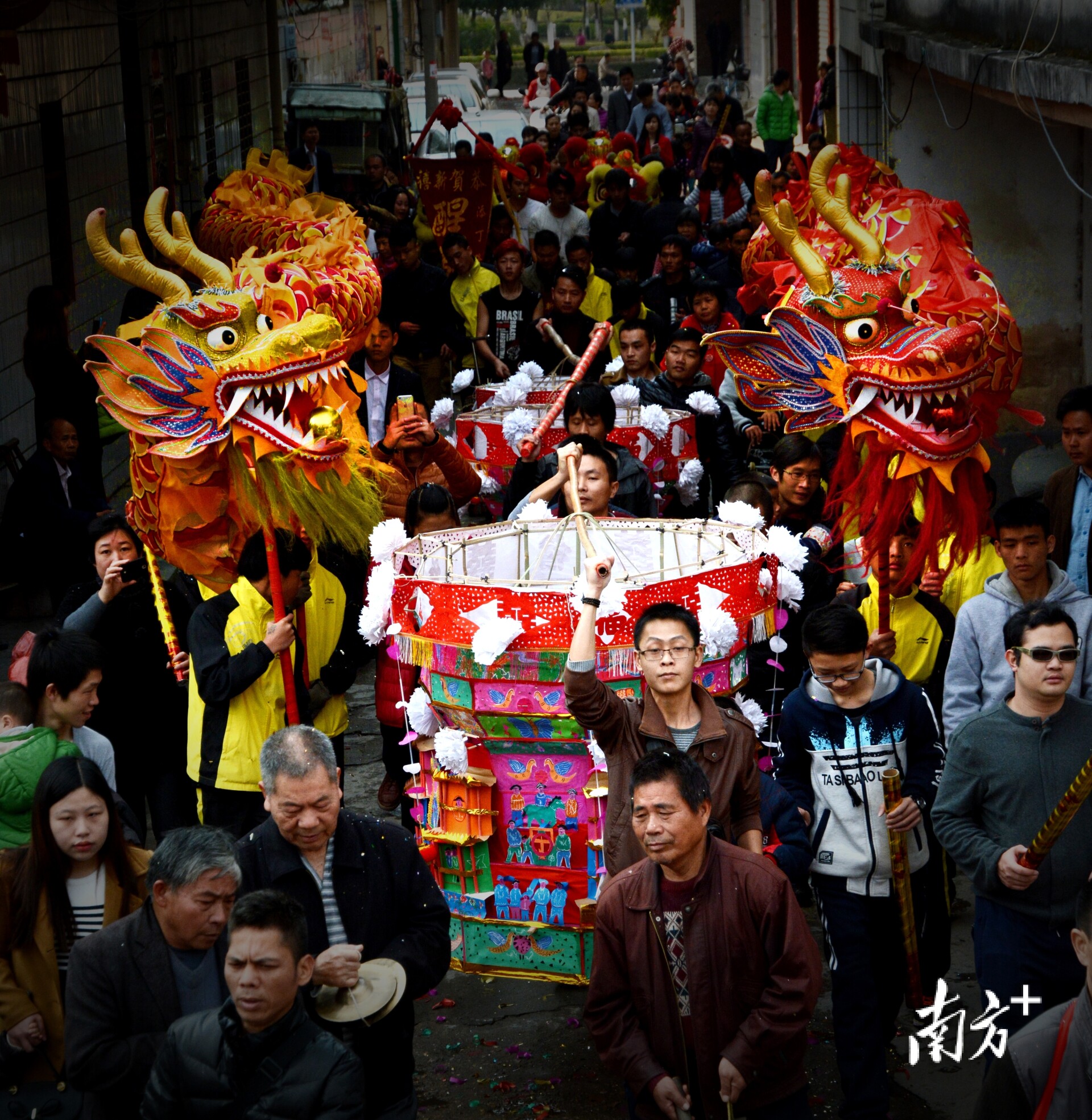
The ritual consists of three stages: inviting, raising, and warming the lantern. Over time, the tradition has incorporated contemporary elements like fireworks and folk performances, helping it stay relevant across generations.
The ceremony begins with Qing Deng (请灯), or “Inviting the Lantern.” Families, accompanied by relatives, lion dancers, and drummers, collect a specially crafted lantern from a local artisan. The lively procession to the ancestral hall symbolizes “welcoming the newborn home”.
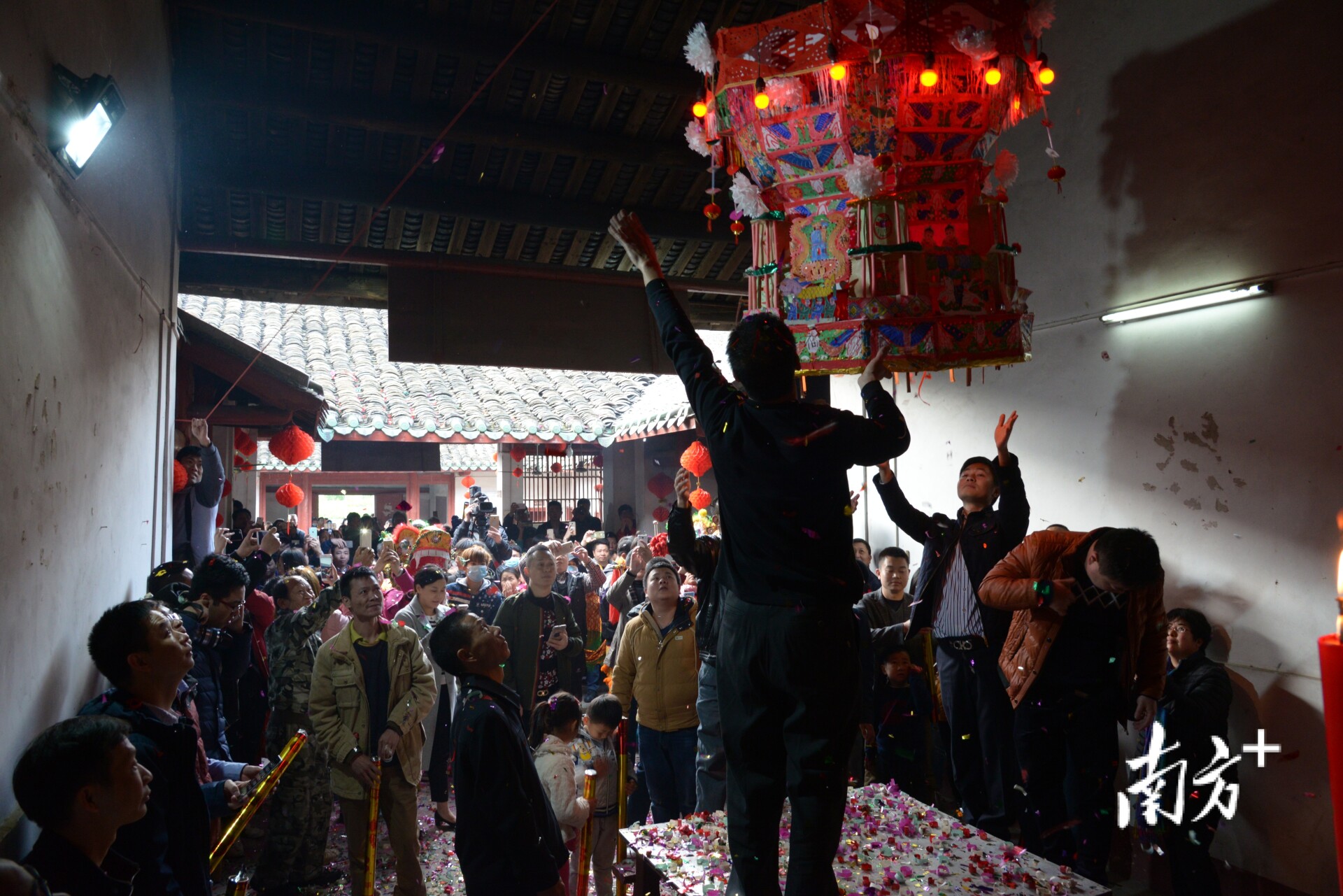
The most significant stage, Sheng Deng (升灯), or “Raising the Lantern,” takes place at an auspicious time. Village elders lead prayers and offerings to ancestors before the lantern is raised inside the hall. The newborn’s name is then recorded in the family registry, followed by firecrackers and a communal feast.
The ceremony closes with Nuan Deng (暖灯), or “Warming the Lantern.” This includes a “lantern grabbing” activity where children collect pieces for good luck, along with modern additions such as Hakka folk songs and evening fireworks.
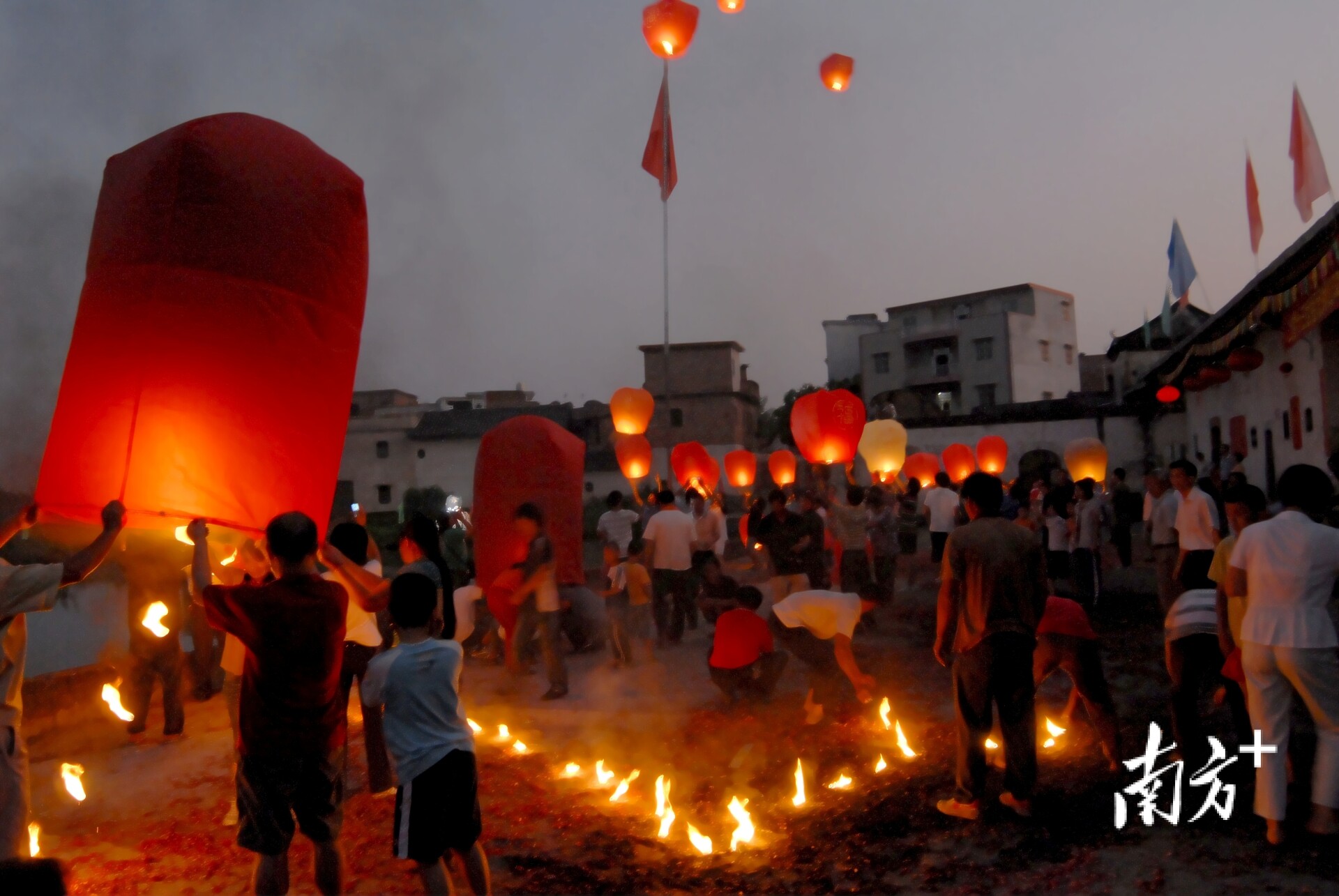
Beyond marking new life, the ritual fosters community cohesion. It draws overseas Hakka descendants back to their ancestral villages, reinforcing cultural identity.
Author | Feng Huiting
Photo | Nanfang Plus
Editor | Huang Qini, James Campion, Shen He