


The sound of drums, the snap of lion dance costumes, and the roar of applause filled the auditorium at Guangzhou University of Chinese Medicine on December 3, as about 500 international students gathered for "Charming Guangdong, Living My Dream", a campus gala that offered a vivid look at how young people from around the world are learning and interpreting Chinese culture.
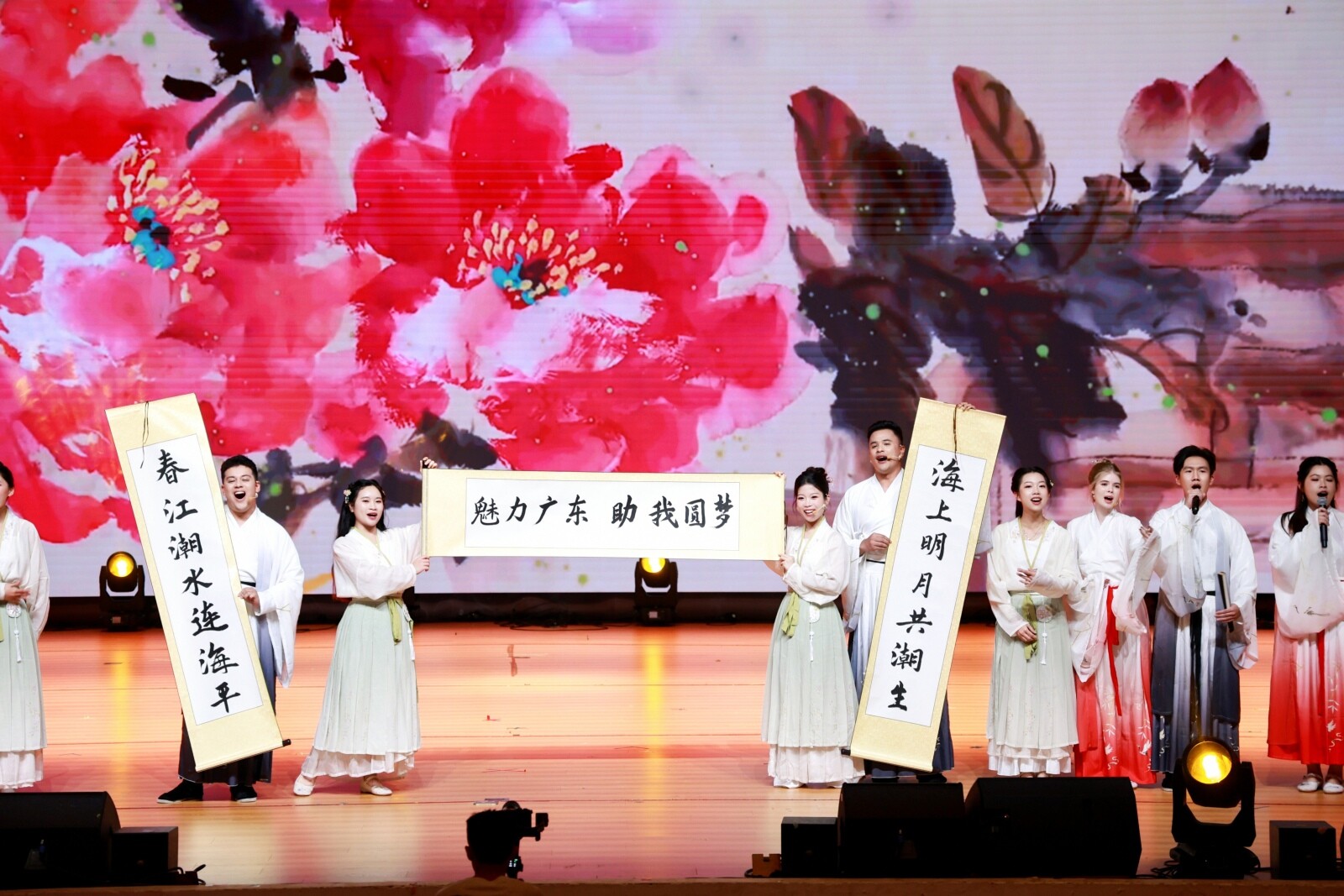
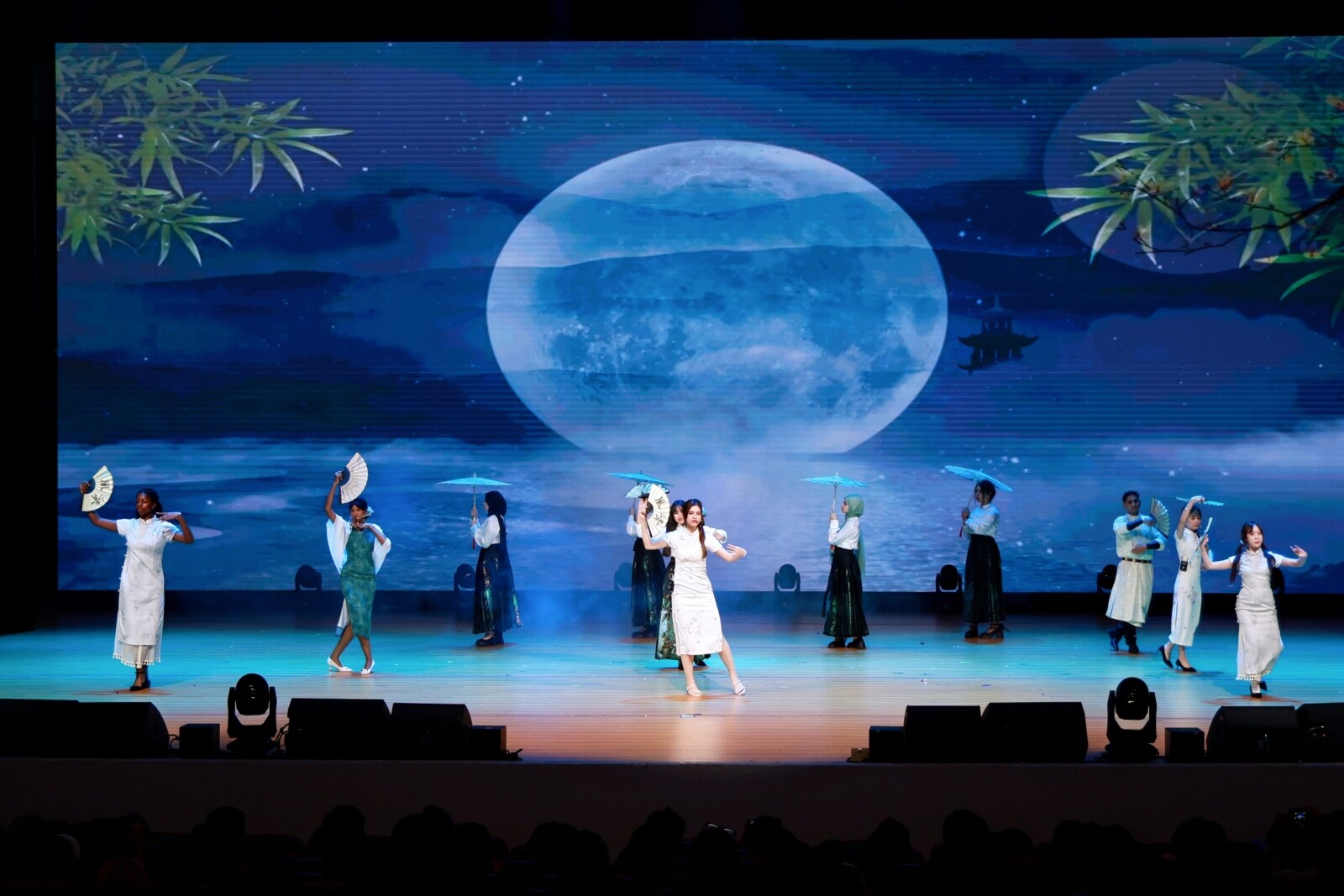
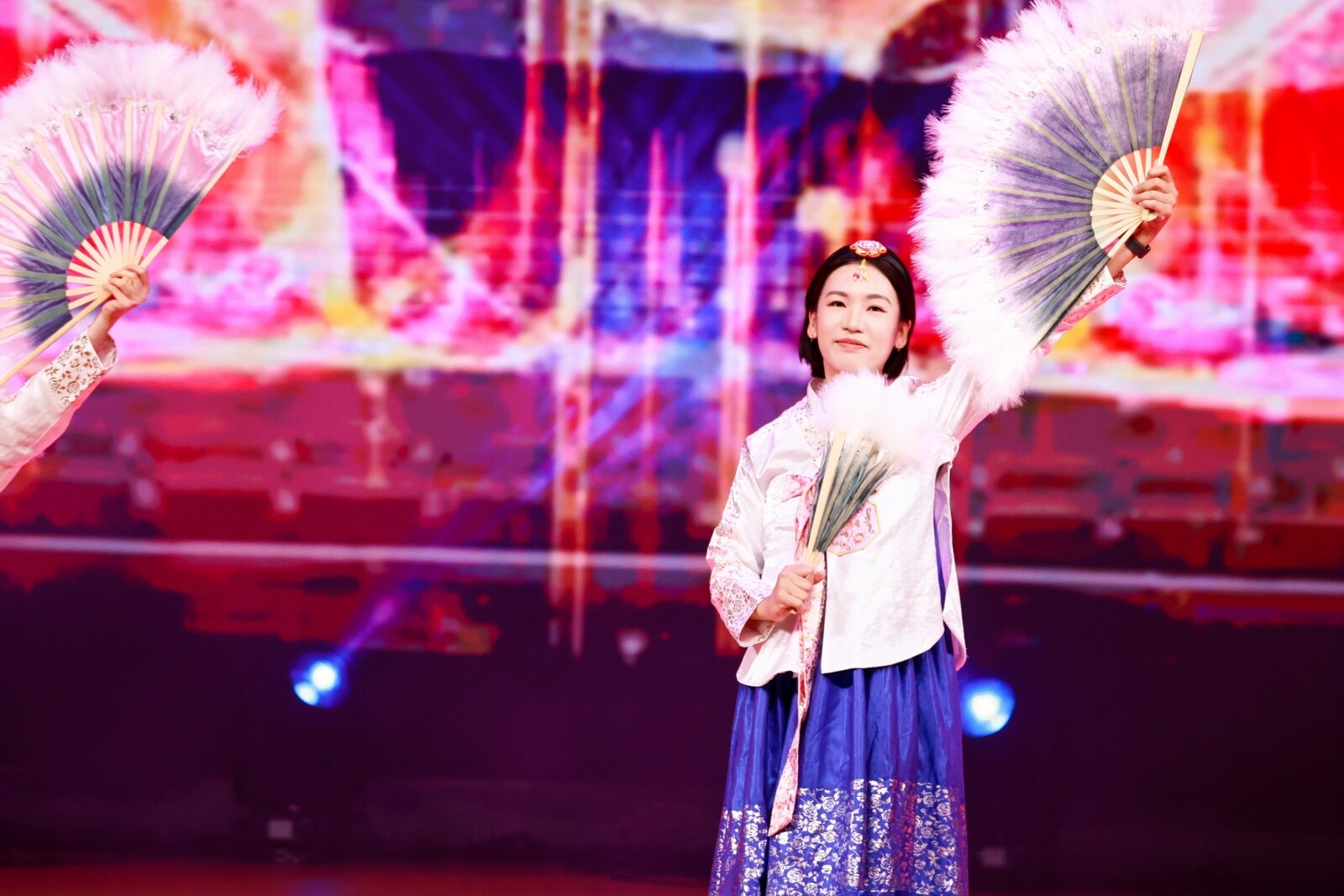
Participants came from 18 Guangdong universities, representing more than a dozen countries. Student performances were an eclectic mix of pop songs, traditional dances, and comedies from both China and their own countries.
The opening slot went to Rafael Nunez Alarcon, a Chilean student from Guangzhou University of Chinese Medicine, whose Chinese martial arts show, performed alongside local practitioners, drew quick cheers. He learned the form from a master from Shanxi Province years ago and has continued practicing since. After graduating, he said he hopes to open a martial arts studio or a Chinese cultural center in Chile. His tone was matter-of-fact: "I've made my decision," he said.
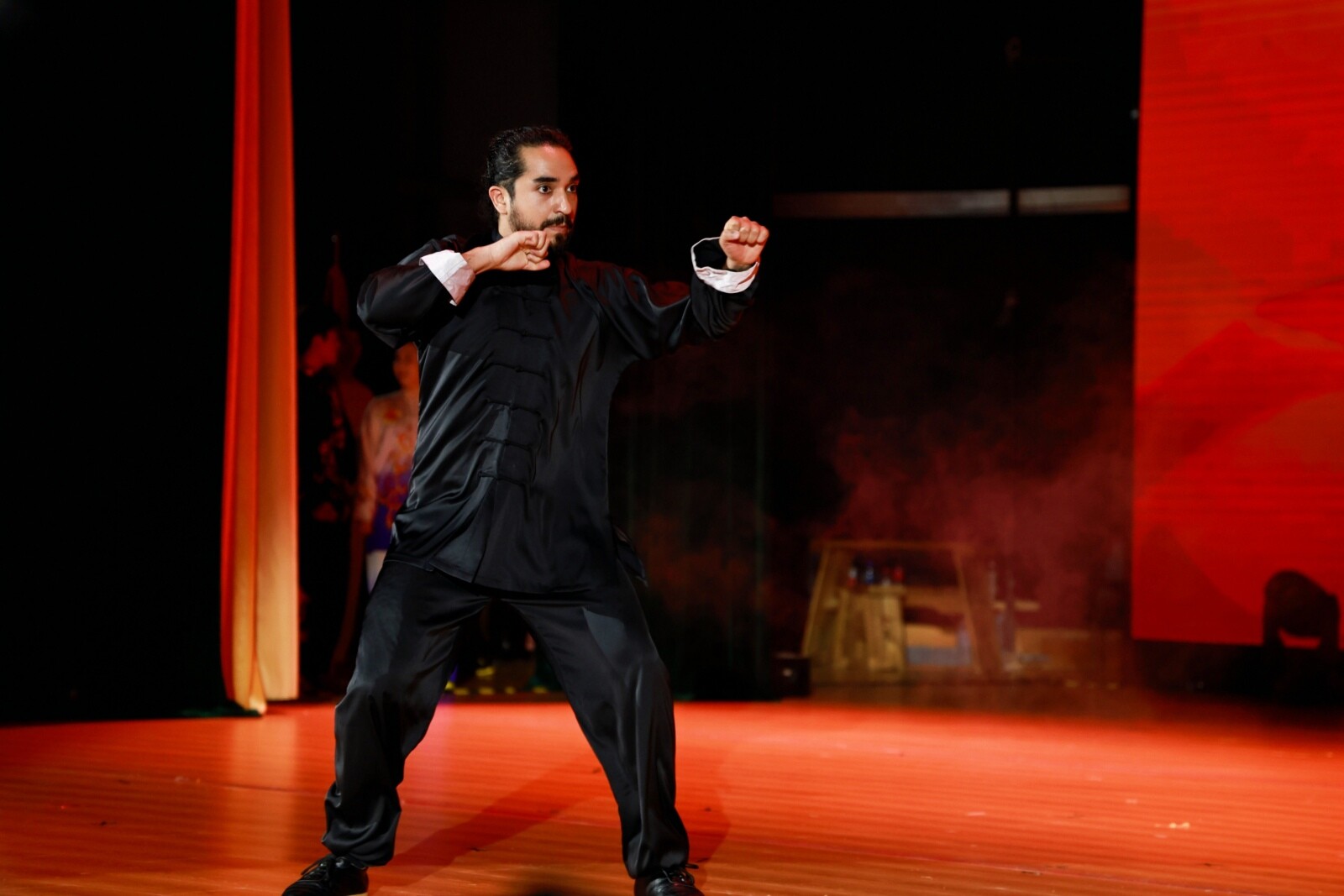 Rafael Nunez Alarcon performs Chinese martial arts on the stage.
Other students were still finding their footing in Chinese traditions. Anna Sergeeva, who came from the Czech Republic in September to study Chinese at South China Normal University, took part in Yingge, a vigorous folk dance from eastern Guangdong. She admitted the powerful movements were quite challenging, "but I'm really inspired by it as I started something new in a culture with a lot of new foreigners," she said.
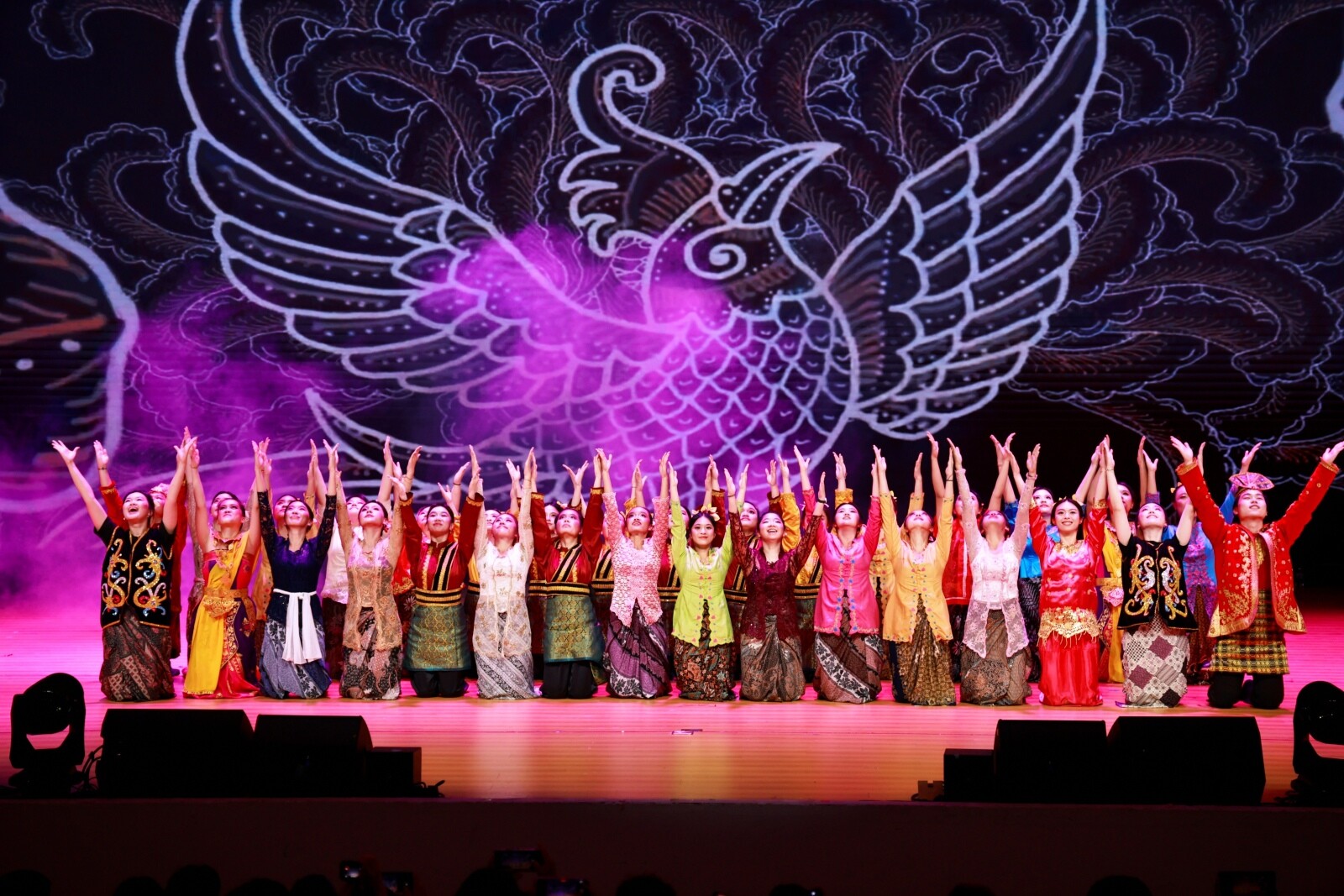
Sergeeva's classmate, Luuk Rommel, from the Netherlands, tried lion dancing. Three months in Guangdong, he said, was enough to make him want to extend his stay and learn more about Chinese culture.
A group from Shenzhen University, joined by Belarusian student Dziabiolaya Katsiaryna, presented a hybrid performance combining martial arts, hip-hop, and dance. With team members speaking different languages and possessing varying levels of Chinese, rehearsals relied on dance more than conversation. "We unite ourselves through the dance," she said. "Such an event is very important for us because otherwise it's difficult to find friends in our daily life."
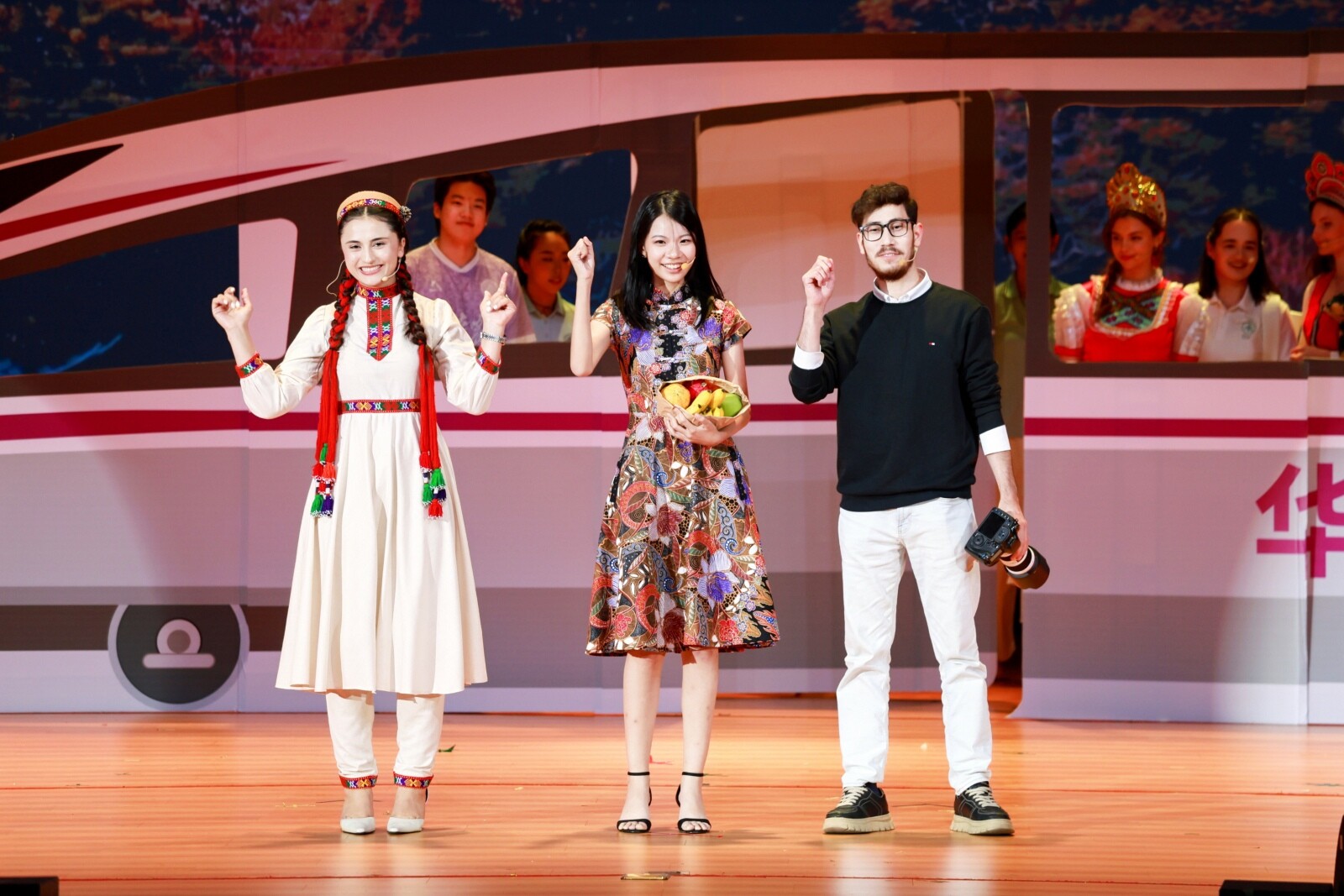
One of the day's more frequent performers was Shin Moonsub, a South Korean student who founded an international choir in 2016 and performed on the same stage. The choir has written songs for China's national events, including the Beijing Winter Olympics and the SCO Summit, and has performed in cities across China and even Nepal. "Music is how we record what we see in China," he said.
Reporter | Chen Siyuan
Photo | Guangzhou University of Chinese Medicine
Video & Poster | Liang Zijian
Editor | Hu Nan, Ou Xiaoming, James Campion, Shen He