


Winter signals harvest season in Sihui, Zhaoqing, south China's Guangdong Province, as thousands of golden Sihui Shatang mandarins ripen on trees, ready to delight consumers worldwide.
 Thousands of golden Sihui Shatang mandarins ripen on trees.
Why is everyone obsessed with these small mandarins?
Imagine a citrus fruit so sweet it tastes like liquid sunshine—without a hint of bitterness. Sihui Shatang mandarins are prized for their honey-like flesh, so juicy it can be sipped straight from the peel.
Thanks to Sihui's ideal growing conditions—river breezes, sandy soil, and warm days followed by cool nights—the fruit reaches a sugar content of up to 14.3 percent, earning its reputation as nature's candy.
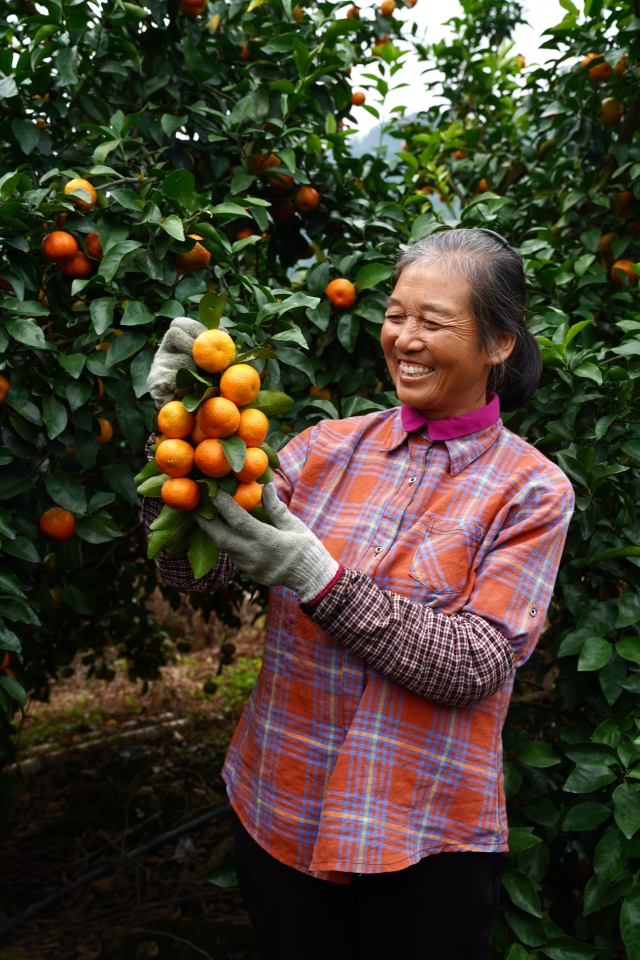 A fruit grower harvests Shatang mandarins in Sihui, Guangdong.
Once served at imperial banquets during the Ming and Qing dynasties, Sihui Shatang mandarins remain highly valued today. They are Green Food–certified, meeting strict eco-friendly standards, and are known in Chinese as "Great Fortune Citrus," a popular gift symbolizing luck and goodwill.
Sihui has also extended the citrus value chain, processing the fruit into juice, essential oils, dietary fiber, and other products through juicing, fermentation, sterilization, and distillation—transforming a seasonal harvest into year-round economic value.
 Shatang mandarin soda
Reporter | Shi Liang
Photo | Zhao Zijie
Editor | Liu Lingzhi, James Campion, Shen He


